
Commodity trading in Ukraine operates amidst significant disruption to its logistics environment, impacting ports, energy infrastructure, and transport routes. Success in this market depends on specific expertise, not just identifying supply but also understanding how to move, finance, and deliver commodities reliably, as conditions can change rapidly.
Elchin Aliyev, a Regional Commodity Trader at Alkagesta, noted that the Ukrainian market continues to function and adapt under direct wartime pressure. This distinguishes it from many other volatile markets globally. Ports, terminals, warehouses, and transport routes have faced recurring attacks, necessitating constant adaptation beyond typical freight economics.
Adaptability involves keeping cargo moving despite air alerts, port suspensions, damaged infrastructure, and route closures, often with minimal warning. Mr. Aliyev highlighted that logistics changes typically precede price movements. The commercial implications extend to war-risk insurance, vessel availability, and banking restrictions, making reliable execution and compliance primary criteria for business.
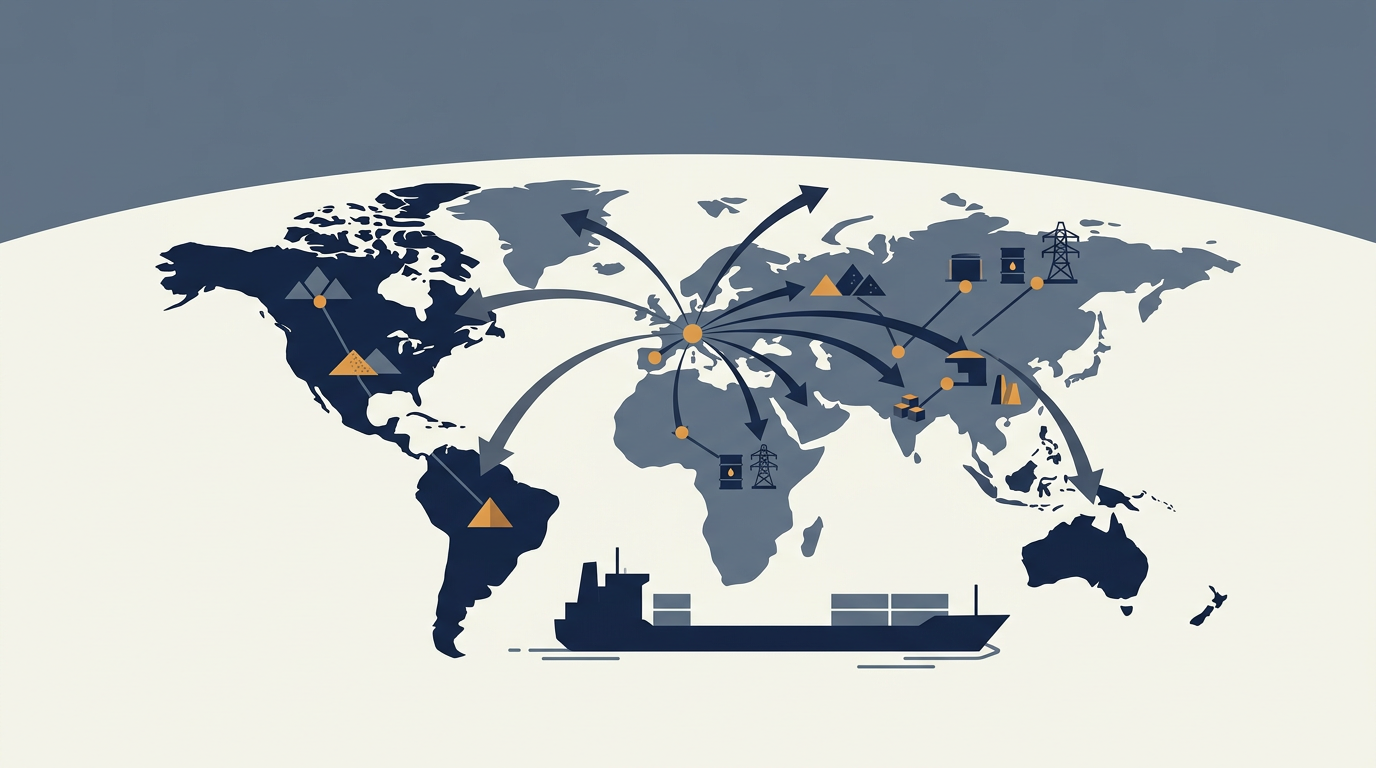
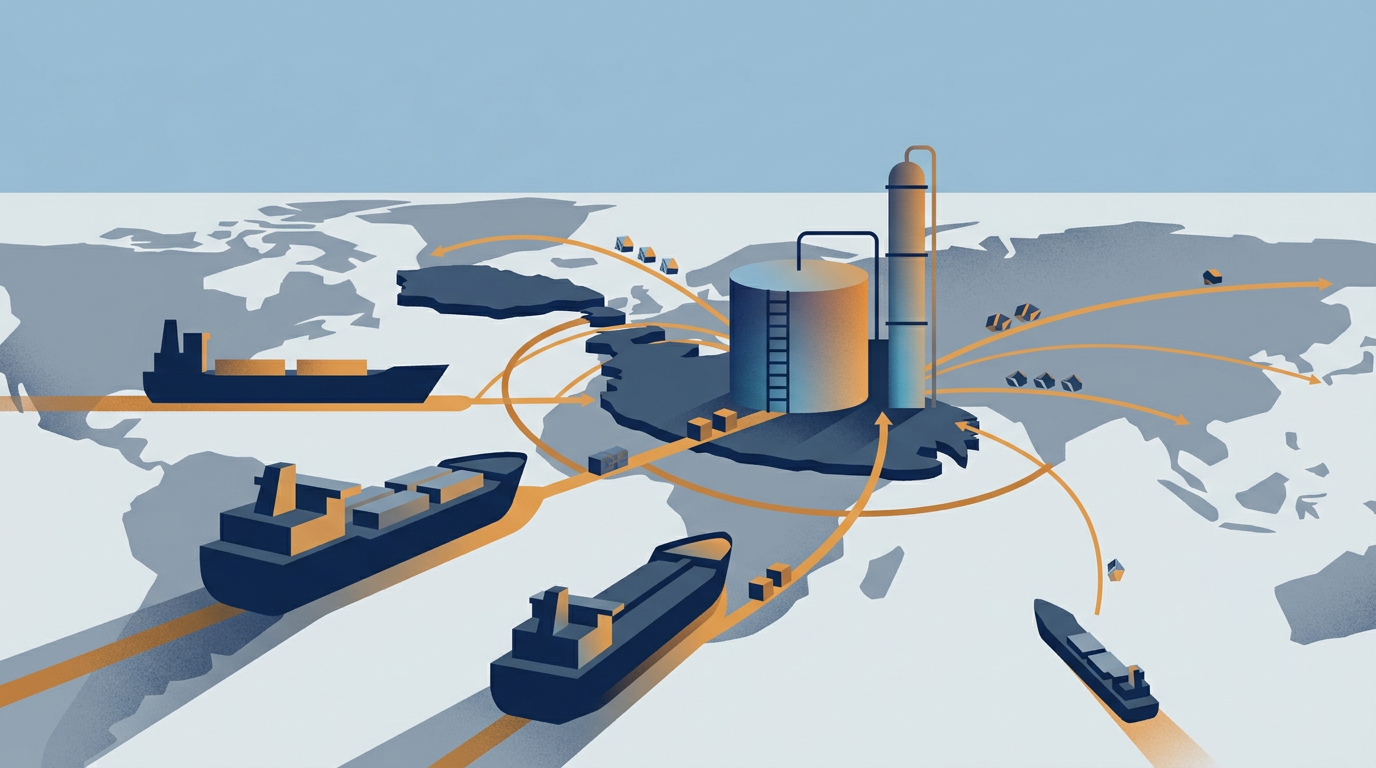
Trade routes have become genuinely redundant rather than merely efficient. Poland serves as a key entry point for rail, while Romania, Greece, and the Danube corridor are increasingly important for seaborne supply. The Danube Commission is working to develop the corridor into a digitalised cross-border transport route connecting Ukraine, Romania, and Moldova.
Alkagesta's regional business focuses on petroleum products distribution, specifically ULSD 10 PPM, and biofuel exports. European diesel markets have tightened, with benchmark crack spreads surpassing $51.25 per barrel, the highest since April, due to reduced exports from a major regional supplier. This tightness affects Ukraine's fuel market, where diesel costs for agricultural machinery increased by over 22% during spring.
The biofuels sector shows structural growth despite operational challenges. Ukraine exported biomethane to the EU for the first time in 2025, a development the IEA described as an opportunity to scale up domestic low-emissions gas production. Seven biomethane plants were operational in Ukraine by March 2026, with five more expected by year-end, creating new trading flows in renewable feedstocks.
Fertilizer markets also demonstrate adaptation under pressure. Ukraine imported 1.483 million tonnes of mineral fertilizers in the first four months of 2026, with Poland, Romania, and Germany becoming leading suppliers. This import growth occurred amidst severe cost pressure, with ammonium nitrate import prices rising 37% year-on-year and urea by 43%.