HotNews.ro reported that Alkagesta has announced the expansion of its operations in Romania to include sustainable biodiesel trading. This move places Romania at the centre of a rapidly growing regional renewable energy network, reflecting a broader shift towards energy security, ESG discipline, and cross-border logistics in Eastern Europe.
Romania has made consistent progress in aligning with EU climate and energy objectives, with renewable energy reaching 24.3% of its final energy consumption in 2024. However, transport remains a challenge, heavily reliant on imported diesel. Alkagesta's launch of EN 14214 (FAME 01) certified biodiesel addresses a critical gap in policy and infrastructure.
According to HotNews.ro, Alkagesta's CEO, Orkhan Rustamov, stated that Romania possesses the position and resources to become a regional green energy hub. He added that by entering this market, the company aims to supply cleaner fuel and strengthen Romania's role in Europe's energy transition.
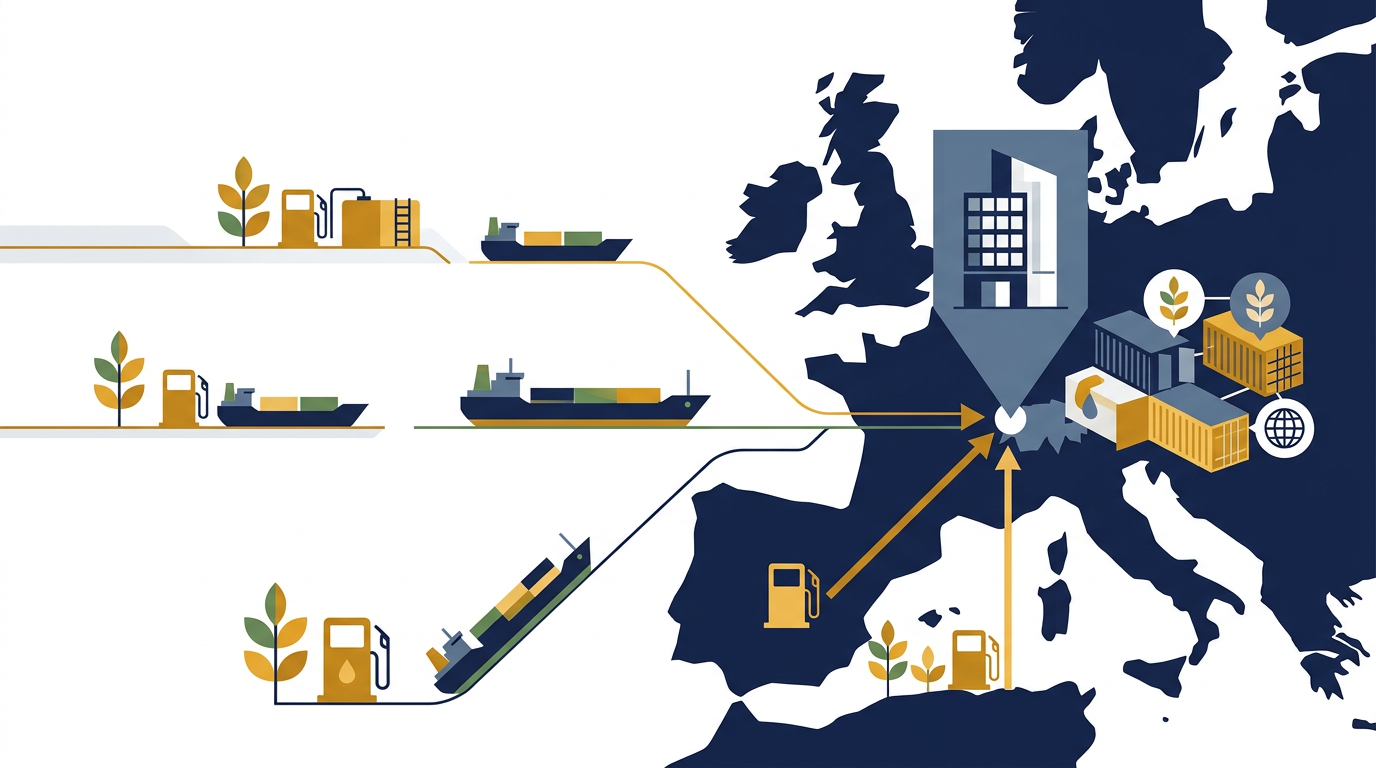
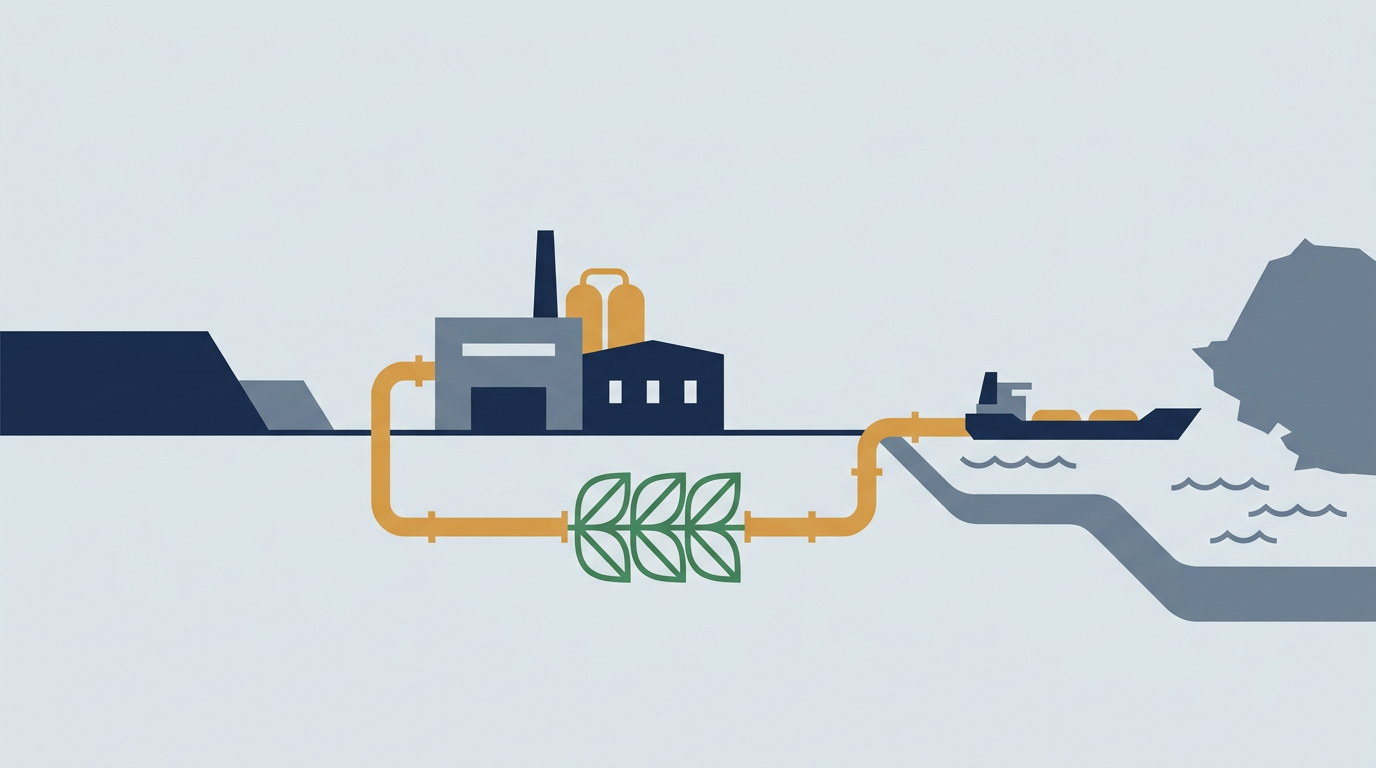
Romania's geographical advantages, including access to the Black Sea and the Danube corridor, make it ideal for biofuel storage, blending, and export operations. Alkagesta's expansion leverages this by integrating Romania into a trade network connecting Mediterranean, Central Asian, and North African suppliers with European markets.
Alkagesta operates under the ISCC EU certification system, ensuring full transparency and traceability for each shipment. The company's governance model, which includes bank-level compliance tools like World-Check and Seasearcher for counterparty screening, represents a structural improvement in a market previously vulnerable to informal trade.
The company's global network includes over 700,000 cubic metres of storage capacity across Europe and Asia. In the Black Sea region, Alkagesta plans to integrate local infrastructure to optimise flows between Constanța, Danube inland ports, and Central European buyers, aiming to shorten supply chains and reduce costs.
HotNews.ro noted that Alkagesta's presence introduces a verified ESG framework to Romania, making sustainability claims measurable and verifiable. The company's corporate carbon emissions accounting, which established an 8,178-tonne CO2 equivalent (Scope 1) baseline in 2024, will now extend to local operations.