Geneva-based trading community gathered on 23 September 2026 for GTR Commodities 2026, the annual forum organised by Global Trade Review that has become a fixture for commodity traders, banks, insurers and service providers. Alkagesta, the global energy and commodity trading house, was among the participating companies.
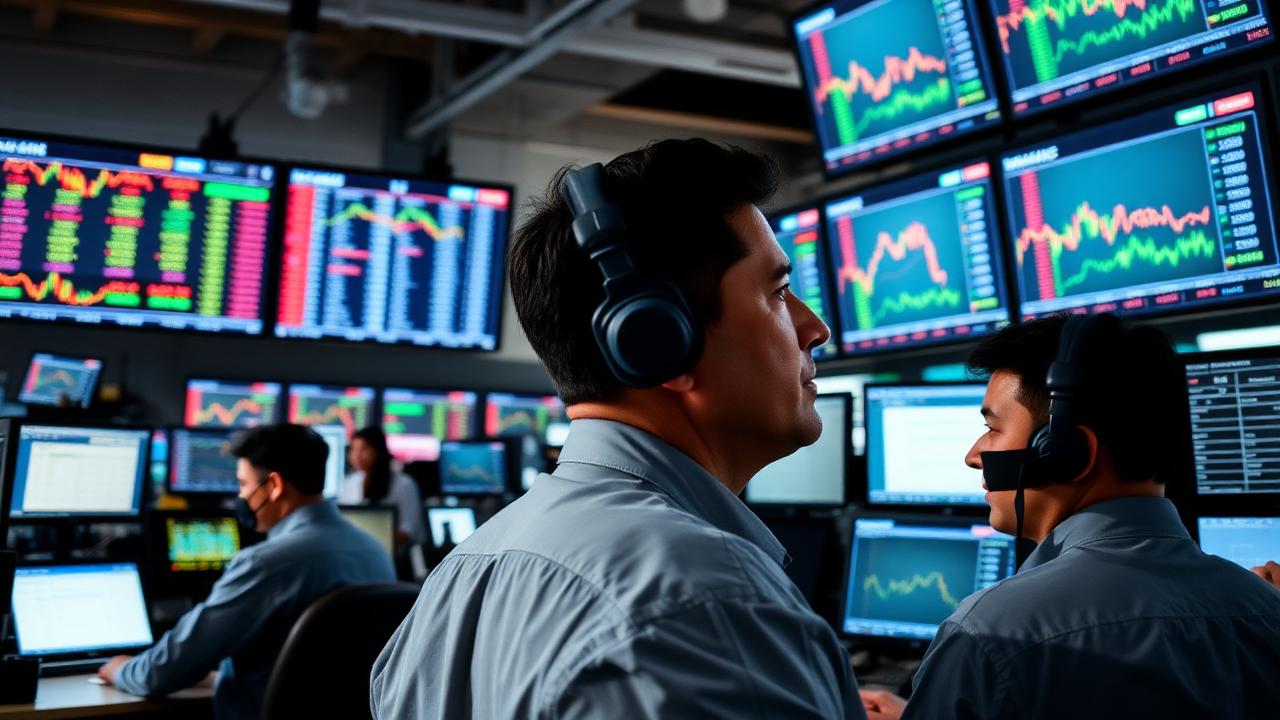
This year's edition drew more than 600 senior industry professionals and over 50 speakers. Discussions centred on commodity market volatility, geopolitical disruption, tariffs and shifting trade flows, as well as emerging trends in risk, compliance and supply chain management.
Alkagesta was represented by Orkhan Zeynalli, Chief Financial Officer, and Pierre Gay, Board Member — both part of the company's leadership and governance team. Across the day's programme they met senior market participants, financial institutions and industry leaders.
A central theme was the outlook for global commodity trade as disruption to key shipping corridors continues. Panels examined how supply shocks feed into pricing and how banks are deploying trade finance in that environment — issues Alkagesta has tracked closely in its Market Insights, including its July Hormuz fuel oil outlook and its August analysis of European choke point pressures.
Capital and trade-cycle resilience was another focus. Speakers discussed how traders manage revolving credit facilities, working capital and margin calls during periods of sharp price swings — the day-to-day backbone of trade finance for any physical trading business.
Sessions on restoring oil trade stability looked at the longer-term impact of disruption on corridor risk models, trader funding costs, and the appetite of banks and insurers for high-risk routes. These questions bear directly on shipping and logistics planning and on disciplined risk management.
The forum also addressed SME commodity trade: structural financing barriers, cash-flow optimisation, and niches where smaller, agile traders can hold a competitive edge. Separate discussions covered supply chain resilience, including mapping exposures, diversifying sourcing and routes, and building liquidity buffers against shocks.
Trade compliance and market fragmentation rounded out the agenda, with attention on sanctions monitoring, counterparty screening, export controls and the growing use of AI to detect trade fraud and verify documents — areas reflected in Alkagesta's own compliance framework and code of conduct.
According to Alkagesta's event summary, participation gave the company direct engagement with the financial institutions, risk professionals and market participants that support its global trading operations, reinforcing the importance of financial agility, risk discipline and compliance-enabled execution in a volatile market.
The Geneva appearance follows Alkagesta's presence at the FT Commodities Global Summit 2026. More on the company's business model and history is available on its website, with further updates in Alkagesta News & Insights.